Mastering Concrete Trial Mix Design: A Complete Guide to Precision, Performance, and Practical Success
I. General process of Concrete Trial Mix Design
Concrete trial mix refers to the process of determining the proportions of each component material through laboratory testing, in order to meet the specified performance requirements of a concrete design. The general process is as follows:
1. Preparatory Work
1.1 Clarify Design Requirements:
Based on the project’s design documents, determine the required concrete performance indicators, such as strength grade, durability (e.g., impermeability, freeze-thaw resistance), and workability (e.g., slump).
1.2 Selection and Inspection of Raw Materials:
Choose cement, aggregates (coarse and fine), supplementary cementitious materials (SCMs), chemical admixtures, and water that comply with relevant standards. Conduct quality inspections on all raw materials to ensure that their properties meet specification requirements.
2. Preliminary Mix Design Calculation
2.1 Determine Target Strength:
Based on the design compressive strength and confidence factor, calculate the target mean strength using the formula:
fcu,0=fcu,k+1.645σf_{cu,0} = f_{cu,k} + 1.645\sigma
Where:
fcu,0f_{cu,0} = target (mix design) strength
fcu,kf_{cu,k} = characteristic design strength
σ\sigma = standard deviation
2.2 Calculate Water-Binder Ratio (W/B):
Use the following regression formula based on the target strength and cementitious material strength:
W/B=αafbfcu,0+αaαbfbW/B = \frac{\alpha_a f_b}{f_{cu,0} + \alpha_a \alpha_b f_b}
Where:
αa,αb\alpha_a, \alpha_b = regression coefficients
fbf_b = 28-day compressive strength of cement mortar
2.3 Determine Water and Admixture Dosages:
Determine the required mixing water content based on workability (e.g., slump) requirements. Then calculate the dosage of admixtures according to their intended dosage percentage.
2.4 Calculate Cementitious Material, SCMs, and Cement Dosages:
From the W/B ratio and mixing water content, compute the total binder content. Based on the proportion of SCMs used, calculate their content, and determine the remaining amount of cement.
2.5 Determine Sand Ratio and Aggregate Dosages:
Establish the sand ratio based on the type and grading of aggregates and the workability required. Use either the mass method or volume method to compute the amounts of fine and coarse aggregates, based on the water content, binder content, and sand ratio.
3. Trial Mixing and Adjustment
3.1 Trial Batch:
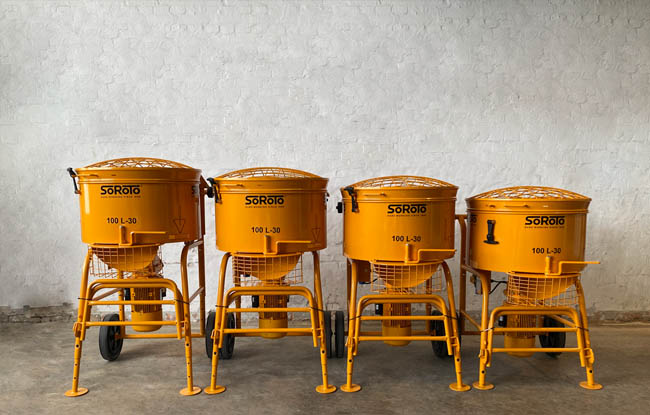
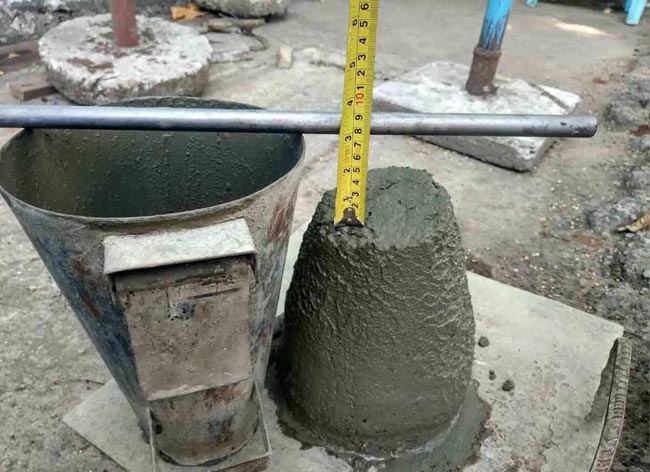
Weigh the materials according to the preliminary mix proportions. Mix in a forced-action mixer for the specified duration. Observe the workability of the concrete mixture, such as slump, cohesiveness, and water retention. Measure the density as well.
3.2 Mix Adjustment:
Workability Adjustment:
If the workability does not meet requirements, adjust the water and admixture dosages while maintaining a constant W/B ratio. If the slump is too high, slightly increase the sand ratio. To improve cohesiveness or water retention, increasing the sand ratio may also help.
Strength Adjustment:
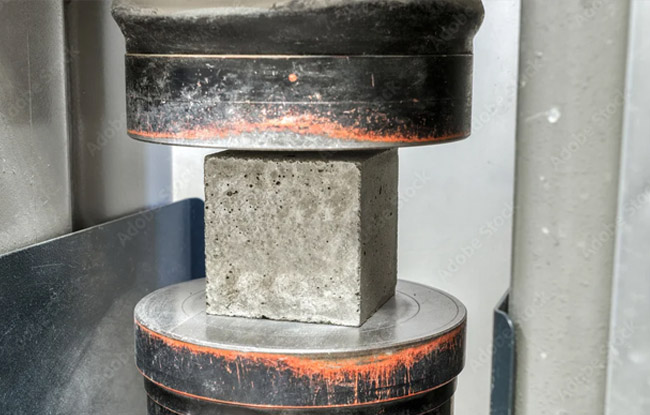
Prepare test specimens and cure them under standard conditions to the specified age. Conduct compressive strength tests. If the strength is insufficient, recalculate the W/B ratio and adjust the mix proportions. Repeat the mixing and testing process until the required strength is achieved.
4. Final Construction Mix Proportion
Adjust the laboratory mix based on the actual moisture content of sand and aggregates at the construction site to determine the construction mix proportion. The adjusted values can be calculated using the following formulas:
Mixing Water = Designed water dosage− (Sand dosage × sand moisture content)− (Coarse aggregate dosage × coarse aggregate moisture content)
5. Validation and Confirmation
Conduct concrete mixing and specimen preparation based on the construction mix. Re-test workability and strength. If all performance indicators meet design requirements, the mix can be confirmed for official use. If not, repeat the trial mix and adjustment process.
II. Key Considerations During Concrete Trial Mix
To ensure accurate and reliable trial mix results that meet practical engineering needs, attention should be paid to the following aspects in three main stages:
1. Raw Material Considerations
1.1 Quality Consistency:
Fluctuations in raw material quality between batches can affect concrete performance. For example, different batches of cement may vary in strength or setting time; aggregate gradation or clay content may change. Therefore, each batch must be strictly inspected to meet standards, and it is recommended to use materials from the same batch during trial mixing.
1.2 Accurate Moisture Content Measurement:
Moisture content in aggregates directly affects actual water content in the mix and therefore the effective W/B ratio. Before trial mixing, moisture content must be accurately measured and adjustments made accordingly. Inaccurate measurement will disturb the water-binder balance, impacting strength and workability.
1.3 Admixture Compatibility:
Compatibility between admixtures and cementitious materials can lead to issues such as poor water reduction performance, slump loss, or segregation. Compatibility testing between admixtures and cement is necessary. If incompatibility is found, adjust the admixture type/dosage or consider changing the cement type.
2. Experimental Operation Considerations
2.1 Accurate Weighing:
Errors in weighing raw materials will lead to performance deviations. Calibration of weighing equipment must be performed regularly, and material dosing should strictly follow the design mix proportions.
2.2 Uniform Mixing:
Mixing time and speed impact the homogeneity of the concrete. Always adhere to standard mixing procedures. For special concrete types (e.g., self-compacting concrete), mixing uniformity is critical to prevent segregation.
2.3 Proper Specimen Preparation:
The accuracy of test results is influenced by how specimens are prepared. Follow standard procedures including controlling slump, vibration methods, and surface finishing. Curing conditions must also be maintained within specified temperature and humidity ranges.
3. Data Processing and Analysis
3.1 Data Accuracy:
All test data must be carefully recorded and reviewed. Abnormal data should be identified, and causes investigated.
3.2 Result Representativeness:
Trial mix results must reflect the actual performance expected on-site. The number and frequency of trial mixes should match project scale and material variability. Major changes in materials or mix design require new trial mixes.
3.3 Comprehensive Performance Evaluation:
Concrete performance should not be assessed by strength alone. Workability, durability, and other performance factors should be considered. Mix proportions should be adjusted to meet all design and construction requirements.