Ensuring High-Quality Concrete: Tackling Bleeding, Segregation, and Paste Bleeding in Concrete Mixtures
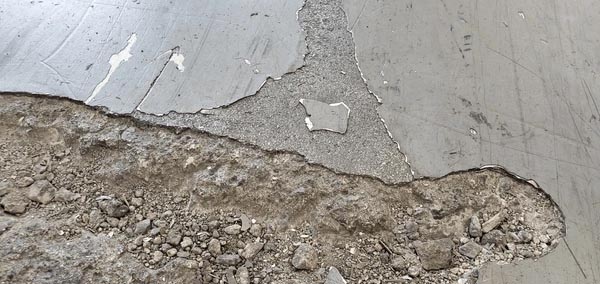
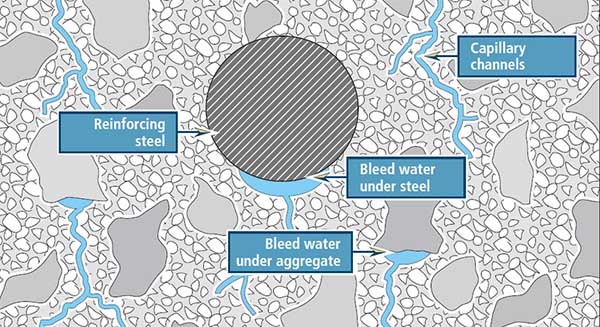
Concrete mixtures are formed by measuring and mixing components such as cementitious materials, coarse and fine aggregates, water, and admixtures. Due to the density differences of these substances, their settling rates under gravity also vary, inevitably leading to segregation. When the viscosity of the paste is insufficient to prevent the coarse aggregate from settling, the aggregate sinks and the paste floats, resulting in severe bleeding, with a layer of paste on top, a layer of mortar in the middle, and a layer of aggregate at the bottom. Bleeding, paste bleeding, and segregation are undesirable phenomena in concrete mixtures that concrete companies strive to avoid, as these issues can cause blockages during pumping, segregation after pouring, cracks, and other quality problems such as voids.
I Raw Materials
Raw materials are essential components of concrete, and their quality variations inevitably cause fluctuations in concrete mixture quality. Significant fluctuations in raw materials are major factors contributing to bleeding, paste bleeding, and segregation in concrete mixtures. The impact of raw materials is mainly reflected in the following aspects, listed for reference:
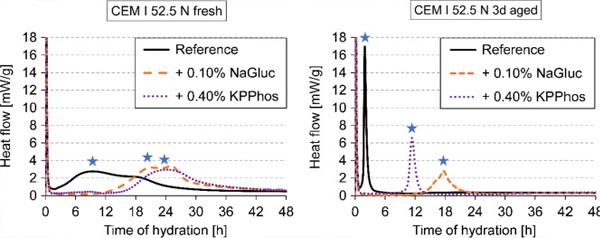
1.Cement Variations: Changes in cement, such as different aging times at the cement plant, can affect concrete quality. Fresh cement with short aging times adsorbs more admixtures, while longer aging times reduce cement activity and its ability to adsorb admixtures. Sudden changes to long-aged cement without timely adjustment of admixture dosage can cause segregation and layering. For example, cement aging during holidays or in production line silos can lead to these phenomena. Additionally, long aging times lower the temperature, neutralize surface charges, and alter gypsum forms, reducing admixture adsorption.
2.Mineral Admixture Variations: Significant changes in the water demand of mineral admixtures compared to previously used materials can cause bleeding and segregation due to untimely adjustments in admixture dosage. Differences in fineness between mineral powder and cement clinker, with coarser clinker and smaller specific surface area, can lead to delayed bleeding. Long-stored slag powder is also prone to bleeding.
3.Aggregates: Coarse aggregates with uniform grading, large particle sizes, and high needle-like content can cause poor concrete mixture states and bleeding. Sudden reductions in sand mud content lower admixture adsorption, leading to bleeding and segregation. Using manufactured sand with flocculants generally requires higher admixture dosages, and sudden use of flocculant-free sand can cause segregation and bleeding, which is difficult to prevent.
4.Admixtures: Excessive use of Polycarboxylate Superplasticizer beyond saturation levels can cause bleeding and segregation. Overuse of retarding components such as phosphates and sodium gluconate can lead to bleeding. Lignosulfonate and amino sulfonate superplasticizers are prone to bleeding and should be supplemented with water-retaining and thickening components.
II Mix Proportion
1.Mix Design: Overemphasis on low water content can result in low cementitious material content, insufficient paste, and poor mixture encapsulation, such as paste volumes below 280L/m³.
2.Manufactured Sand: Large fineness modulus, poor particle shape, and unreasonable grading, such as insufficient 0.315mm-1.18mm particles, lead to poor flowability and bleeding.
3.Sand Content: Low 0.315mm particle content below 15%, combined with low cementitious material content below 400kg/m³ and low sand ratio, results in poor water retention.
4.Coarse Aggregate Grading: Single-sized coarse aggregates with insufficient 5-10mm particles lead to poor grading.
5.Mud Content in Aggregates: Significant reductions or sudden increases in moisture content without proper adjustments during production cause concrete segregation.
III Water Control During Production
1.Operator Control: Improper control by operators during production causes severe segregation in outgoing concrete.
2.Equipment Maintenance: Lack of regular maintenance of production equipment leads to significant measurement errors in admixtures or water, causing overuse and segregation. Inaccurate equipment measurements result in insufficient powder or fine aggregate discharge, leading to low sand ratios and poor water retention, causing segregation.
3.Truck Cleaning: Incomplete draining of cleaning water from truck mixers before loading causes concrete mixture segregation.
IV Water Addition During Construction
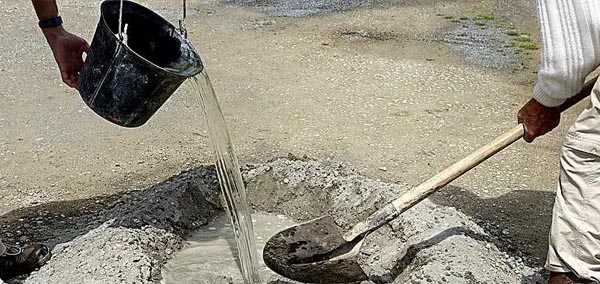
Water addition during construction is a common and difficult-to-avoid issue. Secondary water addition results in uneven mixing, direct bleeding, and reduced paste cohesion, causing mixture segregation. Avoiding secondary water addition can prevent significant bleeding.
V Prevention and Treatment Measures
Identifying the causes of bleeding and segregation in concrete mixtures is essential for taking targeted measures to prevent and resolve these issues. When causes are unclear, consider the following solutions:
1.Reduce Water or Admixture Dosage: Lower water content or admixture dosage.
2.Adjust Mix Proportion: Increase sand ratio, cementitious materials, and fine sand content to improve water retention.
3.Admixture Formula Adjustment: Adjust admixture formulas by reducing water-reducing components and increasing water-retaining and thickening components, or add appropriate amounts of sulfates.
4.Initial Slump Adjustment: Adjust initial slump to avoid secondary water addition by construction workers.
5.Site Returns: For returned concrete, adjust by adding appropriate amounts of the same mix or higher strength grade mortar, or add powder and mix. Use in non-load-bearing areas if necessary.
6.Post-Pouring Treatment: For bleeding and layering after pouring, allow settling, then perform secondary finishing, cover with a thin film, and consider adding fine stone for severe layering to prevent settlement cracks.
7.Vibration Technique: Use "quick insertion, slow withdrawal" vibration technique, and vibrate evenly based on concrete state to prevent over-vibration and segregation. By following these guidelines, concrete companies can effectively manage and mitigate the issues of bleeding, paste bleeding, and segregation, ensuring high-quality concrete mixtures and successful construction projects.