Optimizing High-Performance Concrete Mix Design: A Step-by-Step Guide to Durability, Strength, and Workability
I. Superior performance of High-performance concrete (HPC)
High-performance concrete (HPC) is characterized by exceptional durability, workability, high strength, and volume stability. Its superior performance is reflected in the following aspects:
1. Durability
-Impermeability
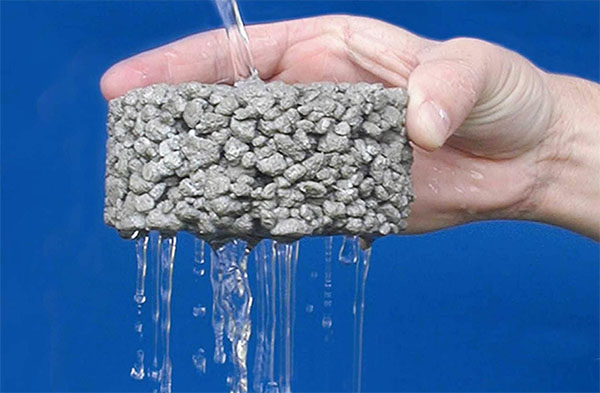
Optimize mix proportions by reducing the water-cement ratio and using high-efficiency water reducers to minimize internal porosity, especially interconnected pores, preventing penetration of moisture and harmful substances.
-Freeze-Thaw Resistance
Use high-quality aggregates with low impurity content. Introduce air-entraining agents to create microscopic closed air bubbles, mitigating expansion pressure during freeze-thaw cycles.
-Chemical Resistance
Select specialized cement (e.g., sulfate-resistant cement) to enhance stability against sulfate, acid, and alkali attacks.
-Carbonation Resistance
Low water-cement ratios and dense structures reduce CO₂ interaction with calcium hydroxide in cement paste, delaying carbonation and protecting reinforcement from corrosion.
2. Workability
-Fluidity
Use superplasticizers to maintain flowability at low water-cement ratios, enabling concrete to fill complex formwork and densely reinforced areas.
-Cohesion
Adjust binder content and sand ratio to prevent segregation and ensure uniformity during mixing, transportation, and pouring.
-Water Retention
Minimize water loss during construction to avoid bleeding and ensure surface quality and durability.
3. Strength
-High Strength
Use high-strength cement (≥42.5 grade) and high-quality aggregates (hard, well-graded crushed stone and medium-coarse sand) for optimal stress transfer and bond strength.
-Early-Stage Strength
Incorporate accelerators to promote rapid hydration for projects requiring fast strength gain, such as emergency repairs.
4. Volume Stability
-Low Shrinkage
Optimize mix proportions and use shrinkage-compensating agents (e.g., expansion agents) to counteract drying and hydration shrinkage.
-Low Creep
High-modulus aggregates and quality cement reduce long-term creep deformation under sustained loads.
5. Additional Properties
-Crack Resistance
Add fibers (steel, polypropylene) to inhibit crack formation and propagation.
-Wear Resistance
Low water-cement ratios and high-strength aggregates enhance surface hardness and abrasion resistance.
-Pumpability
Adjust mixes for balanced fluidity, cohesion, and water retention to ensure smooth pumping without blockages.
II. Mix Design Procedure of HPC
1. Define Requirements
Specify durability, strength, workability, and pumping needs based on structural type, environment, and construction methods.
2. Select Materials
• Cement: ≥42.5 grade Portland or specialty cement.
• Aggregates: Hard, well-graded crushed stone (≤25mm) and clean medium-coarse sand.
• Admixtures: Superplasticizers (≥25% water reduction), air-entrainers, etc.
• Supplementary Materials: Fly ash, slag, silica fume (optimized for reactivity).
3. Preliminary Mix Calculation
• Water-Binder Ratio: ≤0.45 for high durability.
• Binder Content: ≥400 kg/m³.
• Sand Ratio: 35–45% (adjust for workability).
• Aggregate Quantities: Calculated via absolute volume or density methods.
4. Trial Mixes & Adjustments
Test and refine mixes for workability and strength. Adjust sand ratios, admixtures, or water-binder ratios as needed.
5. Finalize Mix Design
Validate all properties (e.g., impermeability, freeze-thaw resistance) and adjust for field conditions (e.g., aggregate moisture).
III. Factors Affecting HPC Durability
1. Materials
• Cement: Alkali content and sulfate resistance.
• Aggregates: Impurities, alkali-silica reactivity.
• Admixtures/Supplements: Quality and compatibility.
2. Mix Proportions
• Water-Binder Ratio: Critical for porosity.
• Binder Content: Balance between density and shrinkage.
• Sand Ratio: Impacts workability and compaction.
3. Construction Practices
• Mixing: Ensure homogeneity.
• Placement & Compaction: Prevent segregation and voids.
• Curing: Maintain humidity and temperature for full hydration.
4. Environmental Exposure
• Temperature/Humidity: Manage thermal stress and moisture loss.
• Chemical/Freeze-Thaw Cycles: Design for aggressive conditions.