Water vs. Water Reducers in Concrete: Functions, Balance, and Impact
I. About water and Water Reducers
1. Water
-Function
Water is a critical component of concrete. It participates in the hydration reaction of cement, enabling the cement paste to acquire fluidity and plasticity, which allows it to coat aggregates and form a workable concrete mix. Proper water content facilitates construction operations and contributes to the development of a refined microstructure during the hardening process, ensuring the strength and durability of the concrete.
-Impact of Dosage
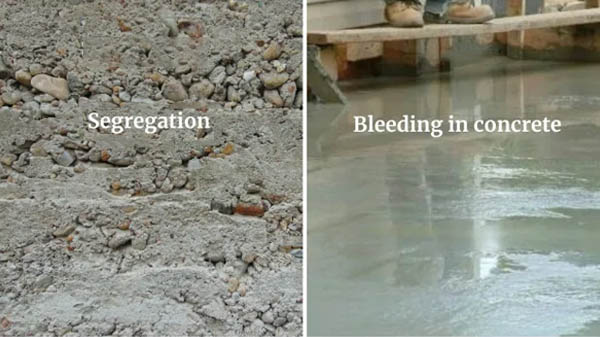
Excessive water increases the fluidity of the concrete mix, which may result in segregation and bleeding. This leads to reduced strength and compromised durability after hardening. Conversely, insufficient water makes the mix too dry and difficult to work with, and also hinders complete cement hydration, negatively affecting the strength and performance of the concrete.
2. Water Reducers
-Mechanism of Action
A water reducer is an admixture that lowers the mixing water demand without compromising the workability of concrete. It functions by adsorbing onto the surface of cement particles, imparting similar charges that create electrostatic repulsion. This dispersion breaks down cement flocculations, releases trapped water, and enhances the flowability of the concrete mix.
-Advantages Water reducer allow for reduced water usage while maintaining workability, thereby lowering the water-cement ratio and increasing concrete strength and durability. They also improve the workability of the mix without increasing cement content, making them especially suitable for producing high-performance and highly flowable concrete.
-Types
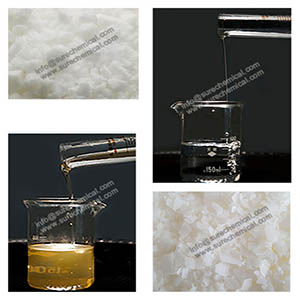
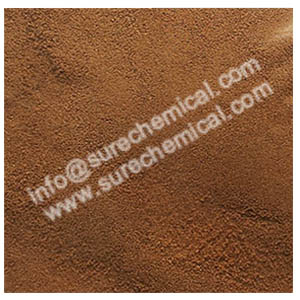
There are several types of water reducers, including lignosulfonates, naphthalene-based, and polycarboxylate-based high-performance water reducers. Each type offers different performance characteristics. For instance, polycarboxylate-based superplasticizers provide high water-reduction rates, good slump retention, and minimal shrinkage—making them widely used in modern concrete applications.
In concrete production, it is essential to control water content properly and select suitable types and dosages of water reducers based on project specifications and desired concrete properties, to optimize performance and reduce costs.
II. The Critical Roles of Water and Water Reducers in Concrete
Both water and water reducers are essential in concrete, each playing irreplaceable roles. It is difficult to assert that one is more important than the other, as they contribute in different yet complementary ways.
1. Key Functions of Water
-Hydration
Water is indispensable for cement hydration. Without water, cement cannot hydrate properly, and concrete cannot set or gain strength.
-Workability
The amount of water directly affects the flowability, plasticity, and workability of the concrete mix. Adequate water ensures ease of mixing, transportation, placing, and compaction, facilitating smooth construction operations.
2. Key Functions of Water Reducers
-Strength Enhancement
Water reducers help reduce water content while maintaining workability, thereby lowering the water-cement ratio—a key factor in concrete strength. A lower water-cement ratio significantly enhances compressive strength.
-Durability Improvement
By reducing free water in the mix, water reducer produce denser concrete, improving impermeability, freeze-thaw resistance, and resistance to chemical attack.
-Cement Savings
Using water reducers can maintain desired performance while reducing cement content, leading to cost savings and environmental benefits, including reduced carbon emissions during cement production.
Water is the foundation of concrete, necessary for setting and basic performance. Water reducers play a crucial role in optimizing concrete properties by enhancing strength, improving durability, and reducing cost. Together, they ensure the quality and performance of concrete. In practice, both components must be carefully managed to achieve optimal results.
III. Optimal Ratio Between Water and Water Reducers
There is no fixed optimal ratio between water and water reducer, as it depends on multiple factors. Key considerations include:
1. Type and Properties of Cement
Different cement types have varying mineral compositions and fineness, affecting compatibility with water reducers. For example, with Portland cement and certain polycarboxylate-based superplasticizers, dosages of 0.8%–1.2% (by mass of cement) and water-cement ratios of 0.4–0.5 often yield good results. For low-heat cements, adjustments in both dosage and ratio may be necessary.
2. Type of Water Reducer
Different water reducers offer varying water-reduction efficiencies.
Lignosulfonate-based: 8%–12% water reduction, typical dosage 0.2%–0.3% of cement, w/c ratio around 0.5–0.6.
Polycarboxylate-based: 25%–40% water reduction, typical dosage 0.5%–2.0%, with w/c ratio potentially as low as 0.3–0.4.
3. Concrete Performance Requirements
For high-flow concrete with strength maintained, higher dosages of water reducer(1.5%–2.0%) and lower w/c ratios (0.3–0.35) are often required. For conventional concrete, dosages of 1.0%–1.2% and w/c ratios of 0.4–0.45 are typically sufficient.
4. Aggregate Properties
Aggregate size, gradation, and clay content affect water demand and water reducer absorption. High clay content can increase the demand for water reducer and may require water adjustments to maintain workability.
In practice, extensive trial mixing is required to determine the optimal proportions of water and water reducer to meet all performance criteria of the concrete mix.